

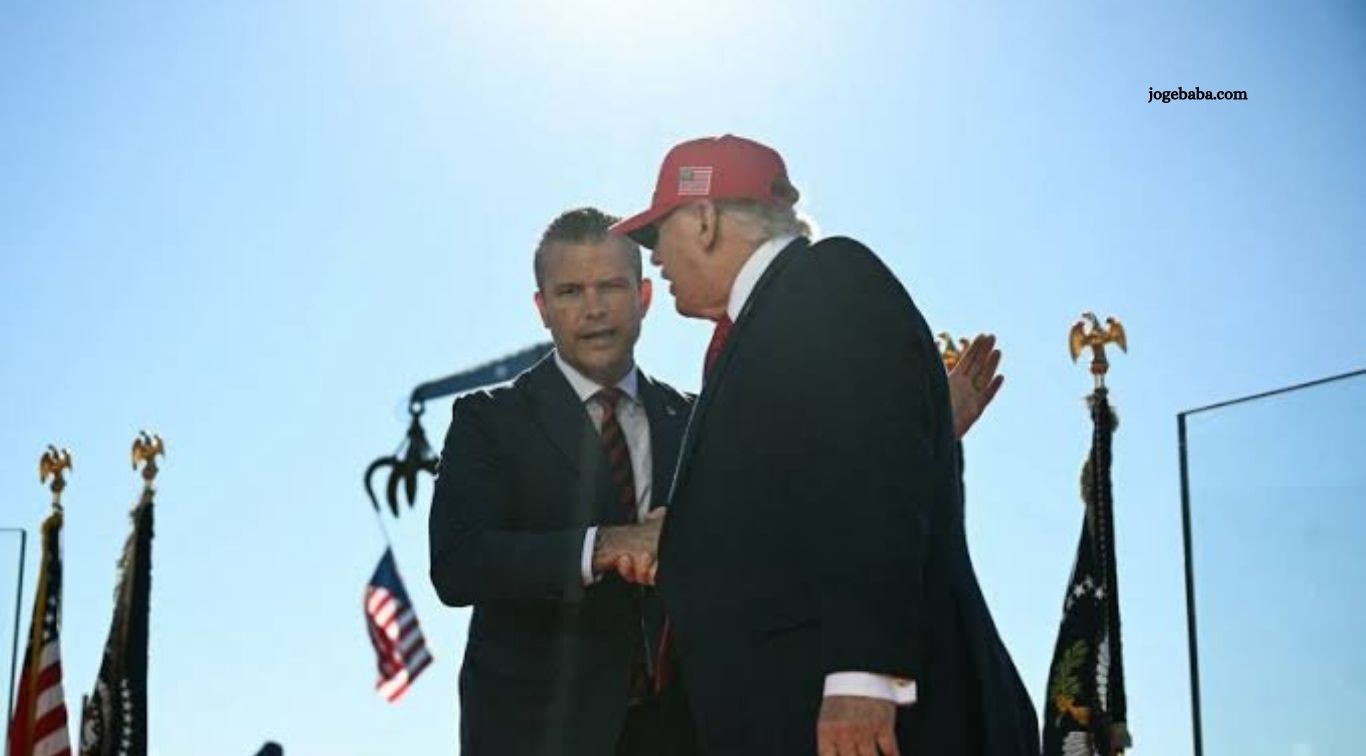
Political developments in the United States can influence the economy, healthcare, immigration, energy, education, trade, and national security. Decisions made by the White House, Congress, federal agencies, and courts can affect businesses, households, state governments, and international partners. As policy debates continue in 2026, understanding these developments helps readers follow how government decisions may shape everyday life.
US political news involves more than campaign statements and disagreements between elected officials. Legislative proposals, executive actions, court rulings, budget negotiations, and regulatory changes can all influence public policy. Examining these developments through reliable reporting and official documents provides a clearer picture of what has changed, what remains under discussion, and how different decisions may affect the country.
Read More: AI Regulation Updates Every Business Should Watch This Year
Congressional Debates and Federal Legislation
Congress plays a central role in shaping national policy through legislation, federal spending decisions, oversight hearings, and negotiations between political parties. Debates over taxes, government funding, healthcare, infrastructure, and national security can determine which proposals advance and which remain unresolved. The outcome often depends on support in both chambers, the details of proposed legislation, and negotiations among lawmakers.
For the public, it is important to distinguish between a bill being introduced, passing one chamber, receiving congressional approval, and becoming law. These stages have different legal effects, and a proposal may change substantially during negotiations. Following congressional records and official announcements helps readers understand the status of major policy decisions instead of relying on headlines that may describe proposals as completed changes.
White House Decisions and Executive Actions
The president and executive branch can influence federal policy through executive orders, agency directives, appointments, and the implementation of laws passed by Congress. These actions may address issues such as immigration enforcement, federal employment, energy development, international relations, and government operations. Their practical effects depend on the authority used, the language of the action, and the agencies responsible for carrying it out.
Executive actions do not automatically replace legislation or override every existing legal requirement. Some actions may face legal challenges, require additional agency procedures, or be changed by a later administration. Readers should therefore examine the official text, effective dates, and implementation details before concluding how a decision affects individuals or organizations.
The 2026 Midterm Elections and Policy Priorities
The 2026 midterm elections are bringing congressional control and federal policy priorities into sharper focus. Voters will decide races for the House of Representatives and Senate, while candidates are debating the economy, healthcare costs, immigration, trade, and the administration’s approach to international affairs. The results will determine the balance of power in Congress and influence how easily lawmakers can advance legislation during the remainder of the current presidential term.
The election campaign also affects how political leaders communicate their priorities and negotiate with members of their own parties. Recent reporting has highlighted disagreements over campaign strategy and trade policy as Republicans and Democrats prepare for the November vote. These developments should be understood as part of an ongoing political contest, rather than proof of a future election outcome.
Economic Policy, Tariffs, and the Cost of Living
Economic policy remains central to debates in Washington because decisions about taxes, trade, energy, and government spending can affect household budgets and business planning. Tariffs may be used to pursue trade or industrial policy objectives, but they can also raise costs for importers and companies that rely on international supply chains. The extent to which those costs reach consumers depends on factors such as product demand, supplier choices, and whether businesses absorb or pass on additional expenses.
Trade policy has also become a point of discussion among lawmakers from both parties, particularly as businesses and consumers respond to changing prices. Some officials argue that tariffs can support domestic production and strengthen negotiating leverage, while critics warn about higher costs and possible trade tensions. Businesses should monitor official announcements and review their exposure to imported materials, cross-border sales, and changing trade requirements.
Foreign Policy and International Security
US foreign policy decisions can influence diplomatic relationships, defense spending, international trade, energy markets, and national security. Recent developments involving Russia, Iran, and Ukraine have placed sanctions and the future of US support for international partners under renewed scrutiny. Different branches of government may disagree over how sanctions should be applied, when exceptions are justified, and how diplomatic goals should be balanced with economic and security considerations.
On October 16, 2026, the White House published an executive order concerning the implementation of the Lindsey O. Graham Sanctioning Russia and Iran Act of 2026. The order describes provisions involving sanctions and potential waivers under specified conditions. Its practical effects depend on the law’s terms and how the administration implements them. Companies involved in international trade should consult official sanctions guidance and qualified compliance advisers before making decisions about affected transactions.
Immigration Policy and Federal Enforcement
Immigration remains a significant area of US policy debate, covering border management, visa programs, asylum procedures, work authorization, and enforcement priorities. Federal actions can affect employers seeking international talent, families navigating immigration processes, universities, and communities that rely on immigrant workers. Changes may be introduced through legislation, executive actions, agency rules, or enforcement practices, and each route can involve different legal requirements.
Businesses that hire foreign workers should pay attention to official guidance on visa eligibility, documentation, processing procedures, and employer responsibilities. A presidential announcement or proposed policy does not always mean that every related requirement has changed immediately. Employers should confirm effective dates and consult qualified immigration professionals when necessary, particularly before making recruitment, sponsorship, or workforce-planning decisions. The White House’s September 18 executive order on the H-1B visa program is one example of a recent policy action to review.
Energy Policy and Fuel Prices
Energy policy affects electricity generation, fuel costs, domestic production, environmental standards, and investment in infrastructure. Federal decisions can influence how energy resources are developed, how industries meet regulatory requirements, and how the country approaches energy security. These choices can have different consequences for households, manufacturers, transportation companies, and communities that depend on particular energy industries.
The White House issued an executive order on October 5, 2026, addressing emergency tax relief on diesel fuel, while its October policy announcements also included a proclamation concerning national energy priorities. The effects of these actions depend on their specific provisions and implementation. Consumers and businesses should monitor official announcements and assess how changes to fuel costs, tax treatment, and energy rules may affect their budgets and operating expenses.
Healthcare Policy and Public Spending
Healthcare policy remains closely connected to debates over insurance affordability, prescription drug costs, federal assistance programs, and access to medical services. Congress and federal agencies influence these areas through legislation, funding decisions, program administration, and regulatory requirements. Changes can affect patients, healthcare providers, insurers, employers, and state governments, although the impact varies according to the program and the people covered.
When evaluating a healthcare proposal, readers should distinguish between a campaign promise, a bill under consideration, an approved law, and a rule that has taken effect. These stages determine whether a policy is likely to change current coverage or costs immediately. Individuals should consult official program notices and their insurers before making healthcare decisions based on political announcements, particularly when eligibility rules or enrollment deadlines may be involved.
Federal Courts and Constitutional Questions
Federal courts play an important role in determining how laws and executive actions are interpreted and applied. Legal challenges can examine whether government decisions fall within the authority granted by the Constitution or federal statutes. Court rulings may uphold a policy, block part of it, or require government agencies to follow additional legal procedures.
The Supreme Court’s published opinions and orders provide primary-source information about cases and judicial decisions. For major policy disputes, the legal status may change as cases move through different courts or as temporary orders are replaced by final rulings. Readers should check the text of a decision and reliable legal reporting rather than assuming that a lawsuit automatically means a policy has been permanently blocked.
Government Funding and Budget Decisions
Federal budget decisions influence government services, defense programs, infrastructure projects, public benefits, and the operations of federal agencies. Congressional negotiations over appropriations can determine which programs receive funding and whether agencies have the resources needed to carry out their responsibilities. Disagreements may also involve spending reductions, tax policies, and the government’s approach to deficits and debt.
Businesses and households can be affected when budget decisions change grants, contracts, public services, or benefit programs. Organizations that depend on federal funding should monitor official budget documents and agency announcements to understand the status of relevant programs. It is also important to distinguish a proposed spending plan from an enacted appropriation, since the two do not have the same legal effect.
How to Follow US Political Developments Responsibly
Following US political developments requires more than reading headlines or watching campaign speeches. Official sources such as the White House, the US Supreme Court, and Congress.gov can help readers check executive actions, court decisions, and legislative records. Reputable news organizations provide additional reporting, context, and explanations of competing positions.
Readers should compare claims with original documents, check publication dates, and look for confirmation from multiple reliable sources. Political statements may describe intended outcomes rather than completed policy changes, while early reports may be updated as more information becomes available. A careful approach helps people understand what officials have actually decided, what remains uncertain, and which developments could affect their interests.
Frequently Asked Questions
What US political developments should people watch in 2026?
Key areas include the midterm elections, congressional legislation, economic policy, immigration, healthcare, energy, and foreign affairs.
Why are the 2026 midterm elections important?
They will determine congressional representation and influence legislative priorities, oversight, and negotiations with the executive branch.
How can federal policy affect the economy?
Changes to taxes, tariffs, spending, and regulations can influence business costs, investment decisions, employment, and consumer prices.
Can a president change federal policy without Congress?
Presidents can take certain executive actions within their legal authority, but legislation and funding decisions often require congressional involvement.
Where can I verify new US policy decisions?
Check official White House announcements, congressional records, agency guidance, and court opinions, alongside reliable news coverage.
Do proposed policies take effect immediately?
Not necessarily. A proposal may require approval, further rulemaking, a specified effective date, or resolution of legal challenges.
Conclusion
US political developments in 2026 are placing important policy decisions under public and congressional scrutiny. Legislative negotiations, executive actions, election campaigns, economic debates, immigration rules, foreign policy, and court decisions can all shape how government operates and how its policies affect the public. Understanding these developments requires separating confirmed actions from proposals and political claims.

2 Comments
Pingback: Diwali 2026 Date, Significance & Rituals: How India Celebrates
Pingback: Ratan Tata Biography: Life, Leadership & Legacy of India's Iconic Industrialist