

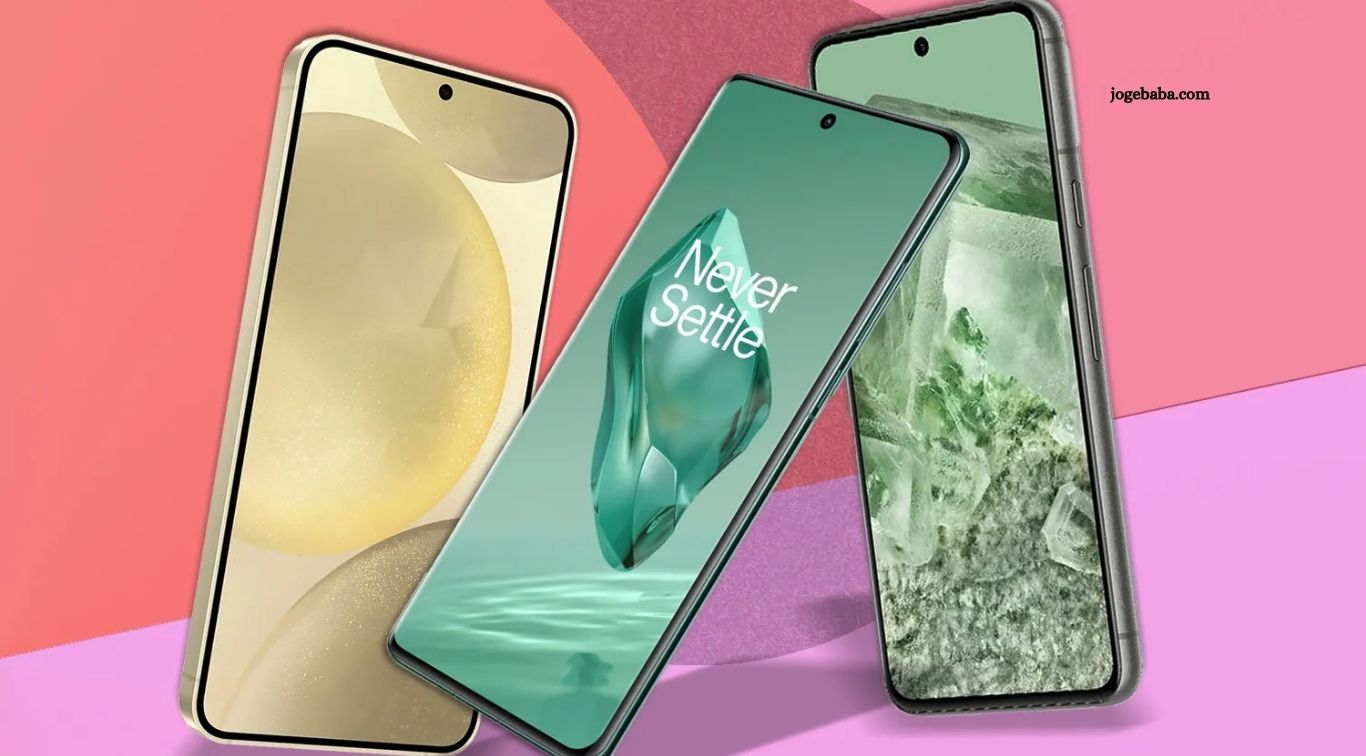
The smartphone industry continues to evolve through foldable designs, improved cameras, faster processors, larger batteries, and artificial intelligence features. Recent smartphone launches and technology announcements show how manufacturers are trying to offer more useful features while responding to changing consumer expectations. From premium flagship devices to affordable 5G phones, buyers have more options to consider when choosing their next smartphone.
October 2026 has brought attention to several new devices and developments from brands such as Apple, Xiaomi, OPPO, vivo, and OnePlus. Some announcements focus on innovative designs, while others emphasize battery performance, display quality, mobile photography, and software improvements. Understanding these developments can help consumers compare new models, identify meaningful upgrades, and decide whether to purchase a phone now or wait for upcoming releases.
Read More: Diwali 2026: Date, Significance, Rituals and How India Celebrates the Festival of Lights
Apple’s First Foldable iPhone Draws Attention
Apple’s first foldable smartphone, the iPhone Duo, is one of the major devices attracting attention in October 2026. The phone introduces a folding design intended to combine the portability of a traditional smartphone with the larger viewing area of an unfolded display. According to recent launch coverage, preorders began on October 16, with retail availability scheduled for October 23 in initial markets. Its arrival represents a significant expansion of Apple’s smartphone design approach.
The practical value of a foldable iPhone will depend on its screen durability, battery performance, software optimization, and everyday usability. A larger display could benefit people who read documents, watch videos, edit photos, or multitask on their phones. However, buyers should compare its price with conventional flagship models and consider the cost of repairs before making a decision. Availability may also vary by country, so consumers in Pakistan and other international markets should confirm local pricing, warranty coverage, and supported network bands.
Samsung Galaxy Z Fold Series and Foldable Technology
Samsung continues to influence the foldable smartphone market through its Galaxy Z Fold series. The Galaxy Z Fold8 has received attention for its larger-screen design and premium positioning, reflecting continued demand for devices that combine phone portability with tablet-style functionality. Foldable smartphones are becoming an important category for manufacturers looking to differentiate flagship products from conventional rectangular handsets.
Future progress in foldable technology will depend on more than display size. Manufacturers need to improve hinge reliability, reduce screen creases, maintain strong battery performance, and ensure that applications work smoothly across different screen configurations. Buyers should also examine repair costs and the availability of replacement parts. Foldable phones may suit professionals and multitaskers, but traditional smartphones can still offer better value for users who prioritize durability, simplicity, and affordability.
Xiaomi and Other Brands Explore New Smartphone Designs
Chinese manufacturers are introducing devices that explore different approaches to smartphone design and functionality. Recent coverage has highlighted the Xiaomi 18 Fold, the TCL P80 Ultra, and the Tecno Pova 8 Pro 5G Tonino Lamborghini Limited Edition. These phones demonstrate different market strategies, ranging from flexible displays and reading-friendly screen technology to distinctive designs and premium styling. Availability differs by manufacturer and region, and some models may remain limited to selected markets.
The TCL P80 Ultra’s NXTPAPER display technology is particularly interesting because it aims to provide a more comfortable viewing experience for reading and everyday screen use. Meanwhile, foldable devices such as the Xiaomi 18 Fold focus on expanding the usable display area. Before importing a phone that is unavailable locally, consumers should check software language support, cellular band compatibility, warranty conditions, and access to repairs. A distinctive design is valuable only when the device also meets practical needs.
Affordable 5G Smartphones and the Redmi 17C 5G
Budget-friendly smartphones remain important for consumers who want modern connectivity without paying flagship prices. Xiaomi launched the Redmi 17C 5G in India on October 1, 2026, according to recent launch coverage. The reported specifications include a 6.9-inch HD+ display with a 120Hz refresh rate, a MediaTek Dimensity 6300 processor, a 50-megapixel rear camera, and a 6,000mAh battery. These features target users who value everyday performance, a large screen, and extended battery life.
Affordable phones can be suitable for students, casual gamers, social media users, and people who need dependable communication throughout the day. However, consumers should compare the display resolution, camera quality, charging speed, software support, and storage options before purchasing. Specifications and prices may vary between regions, so Indian launch pricing should not be treated as the confirmed price in Pakistan. Buyers should check local retailers and official distributors for availability and warranty details.
OPPO and vivo Expand Their Smartphone Lineups
OPPO and vivo continue to compete across entry-level, midrange, and premium smartphone categories. October launch coverage has highlighted the OPPO F35 series alongside vivo models such as the V80, S2 FE, and X Fold6. These devices represent different priorities, including everyday photography, battery life, display quality, and foldable functionality. Some announcements and launch details are specific to India or China, meaning availability in other markets may follow a different schedule.
For consumers, these launches provide more choices across different budgets and usage patterns. People who take frequent photos may prefer a phone with reliable image processing and optical stabilization, while heavy users may benefit more from a large battery and efficient processor. Buyers should not rely solely on megapixel counts or promotional claims. Independent camera comparisons, battery tests, software-update commitments, and warranty coverage provide a clearer picture of a phone’s overall value.
OnePlus and High-Performance Smartphone Processors
Performance remains a major selling point for flagship smartphones. Recent October coverage has highlighted the OnePlus 16, reported to have launched in China on October 12, 2026. The device is associated with a newer flagship Snapdragon platform, reflecting the industry’s continued focus on faster processing, improved gaming performance, and efficient handling of demanding applications. Details and availability should be checked against official announcements for the specific market.
A powerful processor can improve app responsiveness, gaming stability, photo processing, and certain on-device AI tasks. However, real-world performance also depends on thermal management, software optimization, memory, and battery capacity. Consumers who mainly browse websites, use messaging apps, and stream videos may not need the most expensive chipset. Mobile gamers and content creators should compare sustained performance and heat management rather than choosing a phone based only on benchmark scores.
Artificial Intelligence Is Reshaping Smartphone Features
Artificial intelligence is becoming a central part of smartphone development. Modern devices increasingly use AI to improve photography, summarize information, translate languages, organize content, and support voice-based interactions. Depending on the phone, some features operate directly on the device, while others require an internet connection and cloud-based processing. These capabilities can make everyday tasks easier when they are integrated thoughtfully into the operating system.
Privacy and reliability remain important considerations. Users should understand what information an AI feature processes, whether personal data is sent to remote servers, and which permissions are required. AI-generated summaries or answers can also contain mistakes, so important information should be verified. Before purchasing a phone for its AI capabilities, consumers should check which features are actually available in their country, language, and software version rather than relying only on launch demonstrations.
Smartphone Cameras and Mobile Photography Improvements
Mobile photography remains one of the most competitive areas of smartphone development. Manufacturers are improving image sensors, optical stabilization, zoom capabilities, portrait processing, night photography, and video recording. Some premium models use dedicated telephoto cameras to capture distant subjects, while software features help balance lighting and reduce image noise. These improvements allow users to take better photos without carrying a separate camera for everyday situations.
Camera quality cannot be judged by megapixel counts alone. Sensor size, lens quality, stabilization, image processing, and low-light performance all affect the final result. Buyers who record videos should also compare microphone quality, stabilization while walking, recording limits, and available storage. Looking at independent sample photos and videos is often more useful than comparing specifications in a product advertisement.
Android and iOS Software Updates to Watch
Software updates remain an important part of the smartphone experience because they introduce new features, improve compatibility, and address security vulnerabilities. Recent mobile technology coverage has highlighted ongoing Android security updates and changes to smartphone operating systems. Regular updates can help protect personal information and keep supported devices compatible with newer applications.
Before buying a new phone, consumers should check how long the manufacturer promises to provide operating system upgrades and security patches. A device with strong hardware but limited software support may become less useful over time. Users should also install official updates, use screen locks and multifactor authentication, and download applications from trusted sources. Long-term software support is especially important for people who plan to keep their smartphones for several years.
What Smartphone Buyers Should Watch Next
Several factors will influence the next phase of smartphone development. Foldable displays may become more practical as manufacturers improve durability and reduce production costs. AI features are likely to become more integrated into everyday applications, while battery efficiency, charging technology, camera processing, and connectivity will remain important areas of competition. At the same time, rising component costs may affect product pricing and the range of affordable devices available to consumers.
Consumers should follow official manufacturer announcements and independent reviews to separate confirmed products from rumors. Before purchasing, compare the phone’s price, battery life, performance, camera quality, update policy, and repair options. People with working smartphones may not need to upgrade immediately, particularly when a new model offers only small improvements. Waiting for reliable reviews and local availability details can help buyers avoid unnecessary expenses and select a device that offers lasting value.
Frequently Asked Questions
Which smartphone launches are attracting attention in October 2026?
Recent coverage highlights Apple’s iPhone Duo, Samsung’s Galaxy Z Fold8, the Redmi 17C 5G, and several OPPO, vivo, and OnePlus models.
What is special about foldable smartphones?
They provide a larger display when unfolded while retaining a more compact form when closed, making multitasking and media viewing more convenient.
Is a budget 5G smartphone worth buying?
Yes, if it offers dependable performance, suitable battery life, adequate storage, reliable software support, and compatible local network bands.
How is AI improving smartphones?
AI can assist with photography, translation, content summaries, voice interactions, and other tasks, depending on the device and region.
Should I upgrade my smartphone every year?
Not necessarily. Upgrade when your current device no longer meets your needs or when a new model offers meaningful improvements.
What should I check before buying a newly launched phone?
Compare price, specifications, battery life, camera quality, software support, repair costs, network compatibility, and warranty coverage.
Conclusion
The latest smartphone launches and technology announcements highlight an industry focused on foldable displays, powerful processors, improved cameras, AI-powered features, and better everyday performance. Apple’s foldable iPhone, Samsung’s foldable lineup, affordable 5G devices, and new models from Xiaomi, OPPO, vivo, and OnePlus demonstrate the variety of options available to consumers. However, the best smartphone is not always the newest or most expensive model.

3 Comments
Pingback: Global Business Trends Reshaping Markets and Consumer Behavior - Joge Baba
Pingback: 10 Simple Home Fitness Habits for Busy Indians in 2026
Pingback: How to Grow on Instagram in India in 2026: Reels, Reach and Strategy