

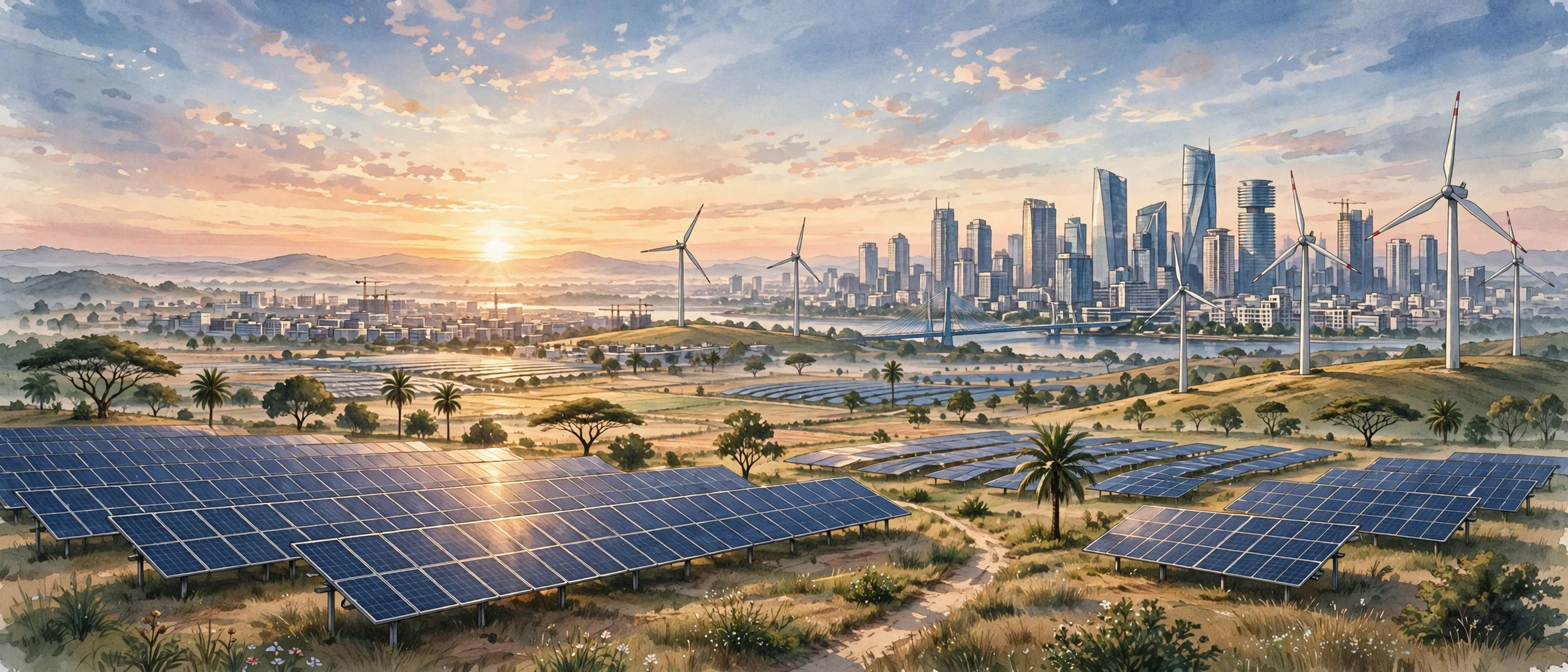
India has set its next big clean energy goal: add another 500 GW of non-fossil fuel capacity over the next 10 to 11 years. Prime Minister Narendra Modi announced the target while inaugurating the Bharat Renewable Energy Summit and Expo 2026 at Bharat Ma
ndapam, New Delhi, on 2 November 2026. The four-day event, which runs until 5 November, brings together participants from more than 130 countries under the theme “Invest. Innovate. Inspire.”
This guide explains the announcement in plain language: where India stands today, what the 500 GW target really means, how much investment it will need, what was said about solar, wind, storage and green hydrogen, and what ordinary households, businesses and job seekers should watch in the coming years.
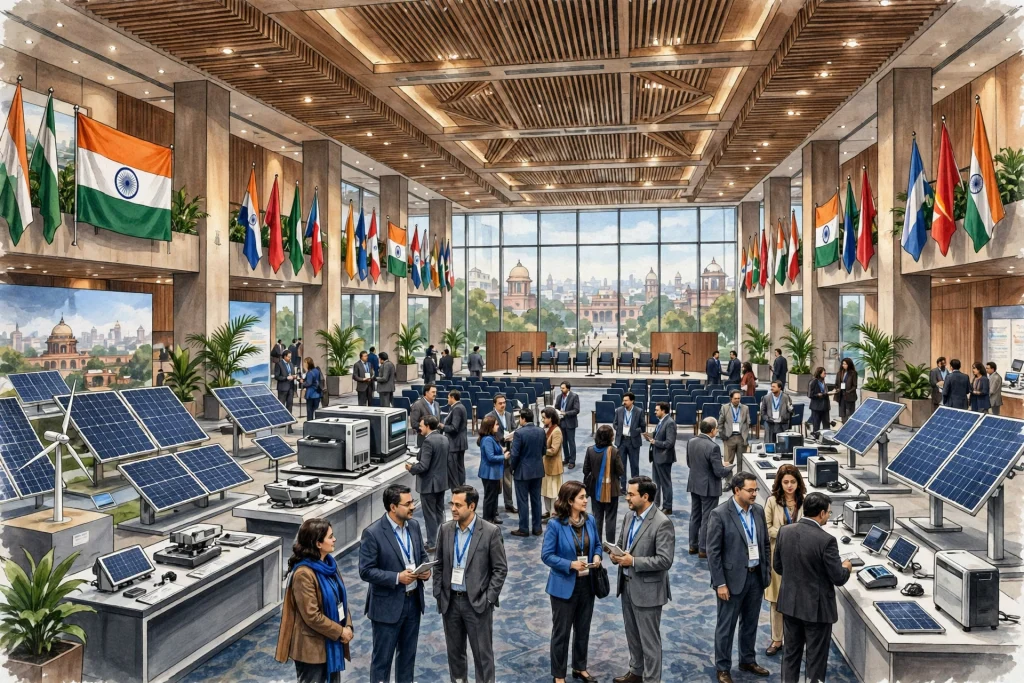
What Is the Bharat Renewable Energy Summit 2026
The Bharat Renewable Energy Summit and Expo, known as BRESE 2026, is organised by the Ministry of New and Renewable Energy. It is being held alongside the ninth General Assembly of the International Solar Alliance and the fourth International Conference on Green Hydrogen, which makes it one of the largest clean energy gatherings India has hosted.
The summit connects global capital, technology and industry with India’s renewable energy projects. Its discussions cover renewable energy financing, solar deployment, green hydrogen, energy storage, manufacturing and international cooperation. The ministry said participants from over 130 countries were expected, and the event is also expected to draw large numbers of exhibitors, speakers and delegates from across the clean energy sector.
Where India Stands Today: 308 GW and 55 Percent
India has 308 GW of installed non-fossil fuel capacity, according to the Ministry of New and Renewable Energy, representing 55.1 percent of total installed power capacity of 558.89 GW. Non-fossil capacity includes solar, wind, large hydro and nuclear power, not only wind and solar. Some reports at the summit put the figure slightly differently, at nearly 300 GW or just over 310 GW, depending on the cut-off date and definition used, but the ministry’s 308 GW figure is the central reference point.
India met its Paris Agreement pledge early. The pledge was for non-fossil sources to make up 50 percent of installed electricity capacity by 2030, and India achieved that in 2025, five years ahead of schedule. India now ranks third globally in renewable energy and solar installed capacity, and fourth in wind power capacity, according to summit materials.
The Two 500 GW Targets Explained
Readers may be confused because two different 500 GW figures are now in circulation. They are both real, but they refer to different periods, and keeping them apart is important.
- 500 GW by 2030: the existing target. From 308 GW today, India must add about 192 GW by 2030 to reach 500 GW of non-fossil capacity.
- Another 500 GW over the next 10 to 11 years: the new goal announced at BRESE 2026. This is an additional target beyond the 2030 goal, setting the direction for the decade after 2030.
Prime Minister Modi framed India’s clean energy story as “promises, passion and performance”. He acknowledged that the 2030 target is, in his words, somewhat difficult, but expressed confidence that India will achieve it. The new longer-term goal signals to investors and manufacturers that demand for solar panels, wind turbines, batteries and green hydrogen will continue well beyond 2030.
How Much Investment Will It Need
The ministry estimates that about USD 220 billion in investment will be required between 2027 and 2030 to support the next phase of expansion. At the Mumbai roadshow for BRESE 2026, the New and Renewable Energy Minister, Pralhad Joshi, put the requirement in rupee terms at over Rs 30 lakh crore over the next five years to reach 500 GW by 2030. These are estimates of future investment needs, not funding already secured.
That investment must go beyond simply building solar and wind plants. Ministry officials highlighted three supporting areas: faster deployment of energy storage, stronger transmission networks, and expanded domestic manufacturing. Without storage, solar power cannot be used after sunset. Without transmission lines, power generated in sunny or windy regions cannot reach cities. Without domestic manufacturing, India remains dependent on imports for panels, cells and batteries.
On manufacturing, summit figures put module capacity at nearly 200 GW and cell capacity at 40 to 45 GW. Solar tariffs have fallen sharply, from Rs 10 to 11 per unit in earlier years to about Rs 2.15 per unit now, according to ministerial remarks reported at the summit. That fall in cost is one reason solar has become the fastest growing part of India’s power system.
Solar, Wind, Storage and Green Hydrogen
Solar is the largest driver of growth. India has crossed about 168 GW of solar capacity within the non-fossil total, based on August 2026 figures cited in summit coverage, and BloombergNEF data cited in the summit announcement showed India attracted USD 63.7 billion in renewable energy investment between July 2024 and June 2026. Wind remains the second major pillar, with India fourth in the world for installed wind capacity.
Energy storage is the next bottleneck. Batteries and pumped hydro storage allow solar and wind power to be saved and used when demand is high. Green hydrogen, produced using renewable electricity, is being developed for industries that are hard to electrify, such as steel, fertilisers and long-distance transport. The fourth International Conference on Green Hydrogen, held alongside BRESE 2026, focuses on exactly those uses.
What It Means for Homes, Bills and Jobs
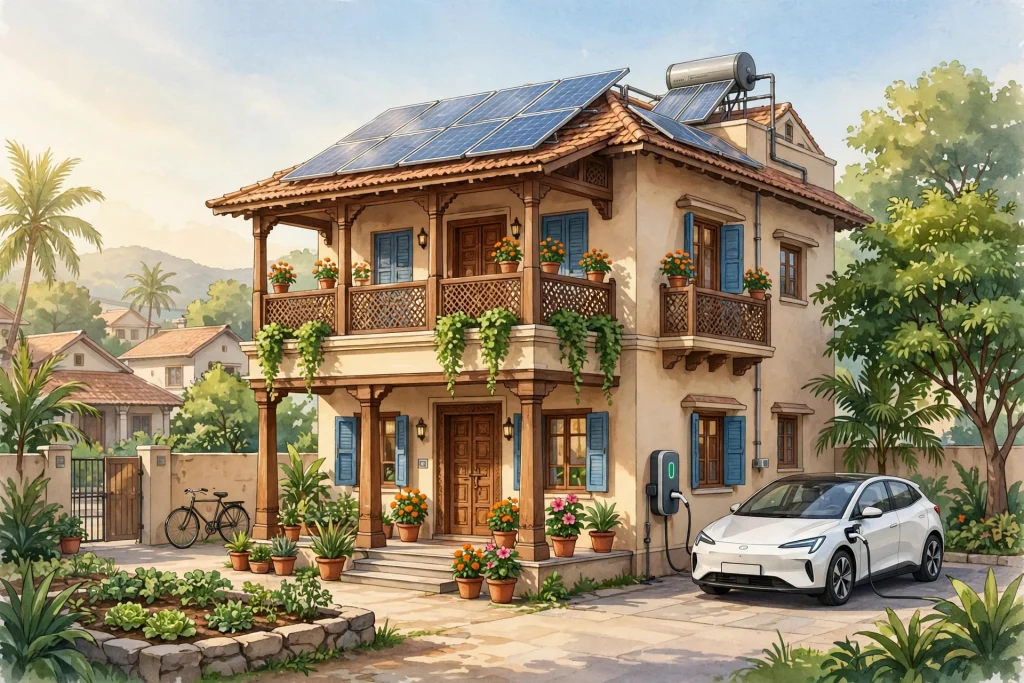
For households, the most direct effect is rooftop solar. As panel prices fall and net metering rules improve, more homes can generate part of their own electricity and reduce monthly bills. The benefit depends on local rules, roof space, upfront cost and financing, so readers should check their state electricity board’s rooftop solar scheme before investing.
For businesses, cheaper solar power and corporate renewable purchase options can lower energy costs over time, especially for factories that run during daylight hours. For job seekers, the expansion creates demand for solar installers, wind technicians, battery engineers, grid engineers and project managers, but those jobs require training and safety certification, not just general interest in green energy.
One careful reading matters here. The 55 percent figure refers to installed capacity, not to the electricity actually produced. Solar and wind plants produce power only when the sun shines or the wind blows, so their share of actual electricity generation is lower than their share of capacity. That is why storage and grid upgrades are as important as building new plants.
What to Watch at BRESE 2026
The summit’s advance materials list no specific investment deals, so readers should judge outcomes by what is actually announced during the event: new partnerships, manufacturing commitments, storage projects and green hydrogen agreements. The test of the summit is not the size of the audience, but whether the 500 GW ambition is converted into bankable projects with clear timelines.
Frequently Asked Questions
What is India’s 500 GW renewable energy target?
India aims to reach 500 GW of non-fossil fuel capacity by 2030, from 308 GW today. At BRESE 2026, PM Modi also set a new goal of adding another 500 GW over the next 10 to 11 years.
When and where is Bharat Renewable Energy Summit 2026?
BRESE 2026 runs from 2 to 5 November 2026 at Bharat Mandapam, New Delhi, under the theme “Invest. Innovate. Inspire.” It is organised by the Ministry of New and Renewable Energy.
How much non-fossil capacity does India have now?
India has 308 GW of installed non-fossil fuel capacity, which is 55.1 percent of total installed capacity of 558.89 GW. Non-fossil includes solar, wind, large hydro and nuclear.
How much investment does India need for 500 GW by 2030?
The ministry estimates about USD 220 billion between 2027 and 2030, or over Rs 30 lakh crore over five years. This is an estimate of future need, not funding already secured.
Does 55 percent non-fossil capacity mean 55 percent of electricity comes from clean sources?
No. The 55 percent figure is about installed capacity, not actual generation. Solar and wind produce power intermittently, so their share of electricity actually generated is lower, which is why storage matters.
What is green hydrogen and why does it matter?
Green hydrogen is hydrogen produced using renewable electricity. It can help decarbonise industries such as steel and fertilisers and long-distance transport, where direct electrification is difficult.
Conclusion
India’s clean energy story has moved from promise to performance: the 50 percent Paris pledge met five years early, 308 GW of non-fossil capacity built, and now a new ambition to add another 500 GW in the next decade. The hard work lies ahead, in storage, transmission and manufacturing, and in turning summit announcements into projects that actually deliver power. For readers following India’s science and technology progress, see our ISRO NVS-03 launch guide, and for other November updates, read our guide to the new rules from 1 November 2026 and the November 2026 festivals calendar.

3 Comments
Pingback: India E20 Petrol: Why Blending May Fall to 15 Percent and What Drivers Should Do
Pingback: India Joins Horizon Europe: Benefits for Researchers, Students and Startups
Pingback: COP31 2026 Antalya: India Climate Finance Demands, Dates and Agenda Explained